
Island Cooker Hoods
Add a review FollowOverview
-
Founded Date March 18, 1998
-
Sectors Restaurant Services
-
Posted Jobs 0
-
Viewed 283

Company Description
Range Hood: The Good, The Bad, And The Ugly
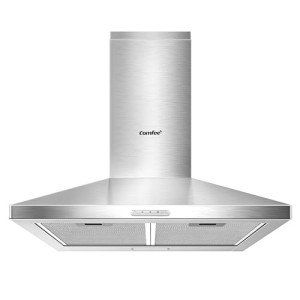
Understanding Range Hoods: An Essential Guide for Homeowners
A range hood is a vital home appliance for any kitchen, playing a crucial role in maintaining air quality, improving kitchen health, and boosting cooking efficiency. With various designs, materials, and includes available, it can be intimidating for property owners to pick the best one. This post will offer a thorough guide to range hoods, including their types, installation factors to consider, upkeep suggestions, and regularly asked questions (FAQs).
Table of Contents
- Comprehending Range Hoods
- Kinds Of Range Hoods
- Key Features to Consider
- Setup Guide
- Maintenance Tips
- Frequency Asked Questions (FAQs)
- Conclusion
Comprehending Range Hoods
A range hood, typically described as a kitchen hood, is created to remove air-borne grease, smoke, steam, and odors generated throughout cooking. By venting these unpleasant components outside or filtering them back into the kitchen, range hoods contribute to a cleaner and more pleasant cooking environment.
Here’s a breakdown of how range hoods work:
| Function | Description |
|---|---|
| Air Extraction | Vents smoke, steam, and odors outside utilizing ductwork. |
| Air Filtration | Utilizes filters to trap particulates and recirculate cleaned air. |
| Lighting | Typically consists of built-in lighting for much better exposure while cooking. |
| Noise Level | Varies with style; quieter models prioritize noise reduction. |
Kinds Of Range Hoods
When picking a range hood, property owners will encounter numerous types, each serving various requirements and kitchen styles:
| Type | Description | Ideal For |
|---|---|---|
| Wall-Mount | Installed on the wall above the range; suitable for wall Ovens And Hobs. | Open idea kitchens |
| Under-cabinet | Fits underneath kitchen cabinets; space-saving design. | Smaller kitchens |
| Island | Suspended from the ceiling above an island stovetop. | Kitchens with center islands |
| Downdraft | Withdraws into the counter when not in use; discreet design. | Modern kitchens with very little design |
| Expert | Durable units designed for commercial-grade cooking. | Serious home chefs or large kitchens |
Breakdown of Popular Types:
-
Wall-Mount Range Hoods: They use a blend of design and efficiency, typically featuring powerful fans to deal with strong cooking scents.
-
Under-cabinet Range Hoods: These are ideal for optimizing area while offering adequate venting without taking up too much space.
-
Island Range Hoods: Ideal for open kitchens, these hoods provide both visual and functional benefits, typically becoming a centerpiece.
-
Downdraft Range Hoods: Excellent for minimalist designs, these hoods work in tandem with cooktops and only appear when needed.
-
Professional-Grade Range Hoods: These systems include high airflow ratings and can deal with intensive cooking jobs.
Key Features to Consider
When choosing a range hood, it’s crucial to think about a number of crucial functions to match your kitchen requires:
| Feature | Importance |
|---|---|
| Airflow Capacity | Determined in cubic feet per minute (CFM); choose based on your cooking design. |
| Sound Level | Determined in sones; quieter designs enhance comfort. |
| Filtering Type | Mesh filters, baffle filters, or charcoal filters might fit various cooking requirements. |
| Control Type | Alternatives consist of manual, electronic, or push-button control for ease of operation. |
| Lighting | Integrated lights enhance visibility while cooking. |
Tips:
-
Airflow Requirements: Typically, kitchen range hoods require 100 CFM for every 10,000 BTUs of gas cooking power.
-
Decibel Levels: Look for hoods ranked below 60 decibels for quieter operation, especially crucial in open designs.
Setup Guide
Setting up a range hood can be an intricate job, depending upon the type of hood selected. Follow these basic steps, however constantly refer to the producer’s installation directions:
Step-by-Step Installation:
-
Select the Location: Choose a spot that enables for optimum airflow and proximity to the cooktop.
-
Prepare the Area: Ensure the area is tidy and devoid of mess. Usage protective coverings on surface areas to prevent scratches.
-
Mount the Hood: If using a wall-mount or under-cabinet design, protect the hood using the offered template and screws.
-
Install Ductwork (if applicable): Ensure the duct is vented outside; follow any local building codes.
-
Electrical Connections: Connect according to maker’s requirements, ensuring security compliance.
-
Test the Hood: Once installed, constantly evaluate the hood to ensure it’s working properly.
Keep in mind:
Professional installation makes sure compliance with regional codes and safety procedures.
Maintenance Tips
Proper upkeep extends the life of your range hood and ensures its efficiency. Here are some efficient upkeep pointers:
-
Clean Filters Regularly: Depending on use, tidy mesh filters every couple of weeks and change charcoal filters as specified.
-
Wipe Down Surfaces: Regularly tidy the outside and interior surfaces to avoid grease buildup.
-
Check Fan Functionality: Ensure the fan runs efficiently and quietly; any uncommon sounds may suggest an issue.
-
Check Ductwork: If you have ducted hoods, regular examinations can prevent blocking and ensure ideal airflow.
-
Schedule Professional Servicing: Consider having your range hood serviced each year for thorough maintenance.
Regularly Asked Questions (FAQs)
Q1: Do I need a ducted or ductless range hood?
A1: If your kitchen allows for venting, a ducted range hood is normally more efficient. If not, a ductless hood with filters is an option.
Q2: What size range hood do I require for my cooktop?
A2: The range hood should preferably be the exact same width as your cooktop or slightly larger. Additionally, utilize the CFM calculation to identify airflow requirements.
Q3: How frequently should I clean my range hood?
A3: Clean the filters every couple of weeks and the entire hood a minimum of as soon as a month, or more regularly if you cook frequently.
Q4: Can I set up a range hood myself?
A4: While some might try a DIY installation, professional installation is advised for proper compliance with safety codes.
Q5: What is the average cost of a great range hood?
A5: The cost range varies widely based on type and functions, typically ranging from ₤ 100 to over ₤ 2,000.
In conclusion, a range hood serves as a crucial component of a practical and healthy kitchen environment. Understanding the types of range hoods, their functions, and upkeep requirements will empower property owners to make informed decisions. With the right range hood, kitchens can not just be more pleasant and cleaner however can likewise change the cooking experience into a satisfying art.
