
England Nhs
Add a review FollowOverview
-
Founded Date August 3, 1921
-
Sectors Health Care
-
Posted Jobs 0
-
Viewed 1298

Company Description
NHS: Belonging in White Corridors
Within the bustling halls of an NHS hospital in Birmingham, a young man named James Stokes moves with quiet purpose. His smart shoes whisper against the floor as he exchanges pleasantries with colleagues—some by name, others with the comfortable currency of a “how are you.”
James carries his identification not merely as institutional identification but as a declaration of acceptance. It hangs against a neatly presented outfit that betrays nothing of the tumultuous journey that preceded his arrival.
What sets apart James from many of his colleagues is not visible on the surface. His bearing gives away nothing of the fact that he was among the first beneficiaries of the NHS Universal Family Programme—an effort designed specifically for young people who have spent time in care.
“It felt like the NHS was putting its arm around me,” James explains, his voice controlled but revealing subtle passion. His observation captures the heart of a programme that seeks to reinvent how the enormous healthcare system perceives care leavers—those frequently marginalized young people aged 16-25 who have graduated out of the care system.
The numbers reveal a challenging reality. Care leavers frequently encounter greater psychological challenges, economic uncertainty, accommodation difficulties, and lower academic success compared to their peers. Beneath these clinical numbers are personal narratives of young people who have maneuvered through a system that, despite good efforts, often falls short in providing the supportive foundation that shapes most young lives.
The NHS Universal Family Programme, initiated in January 2023 following NHS England’s promise to the Care Leaver Covenant, embodies a profound shift in institutional thinking. At its core, it acknowledges that the whole state and civil society should function as a “communal support system” for those who haven’t experienced the constancy of a traditional family setting.

Ten pathfinder integrated care boards across England have blazed the trail, establishing frameworks that reconceptualize how the NHS—one of Europe’s largest employers—can create pathways to care leavers.
The Programme is thorough in its approach, beginning with thorough assessments of existing policies, establishing governance structures, and garnering executive backing. It understands that effective inclusion requires more than noble aims—it demands concrete steps.
In NHS Birmingham and Solihull ICB, where James began his journey, they’ve created a regular internal communication network with representatives who can offer support, advice, and guidance on personal welfare, HR matters, recruitment, and inclusivity efforts.
The conventional NHS recruitment process—formal and possibly overwhelming—has been intentionally adjusted. Job advertisements now emphasize character attributes rather than long lists of credentials. Applications have been reimagined to consider the unique challenges care leavers might encounter—from not having work-related contacts to struggling with internet access.
Maybe most importantly, the Programme understands that beginning employment can pose particular problems for care leavers who may be handling self-sufficiency without the backup of parental assistance. Issues like transportation costs, identification documents, and banking arrangements—assumed basic by many—can become significant barriers.
The beauty of the Programme lies in its attention to detail—from explaining payslip deductions to providing transportation assistance until that crucial first wage disbursement. Even seemingly minor aspects like coffee breaks and workplace conduct are carefully explained.
For James, whose professional path has “transformed” his life, the Programme delivered more than work. It gave him a perception of inclusion—that elusive quality that grows when someone senses worth not despite their background but because their unique life experiences enhances the organization.
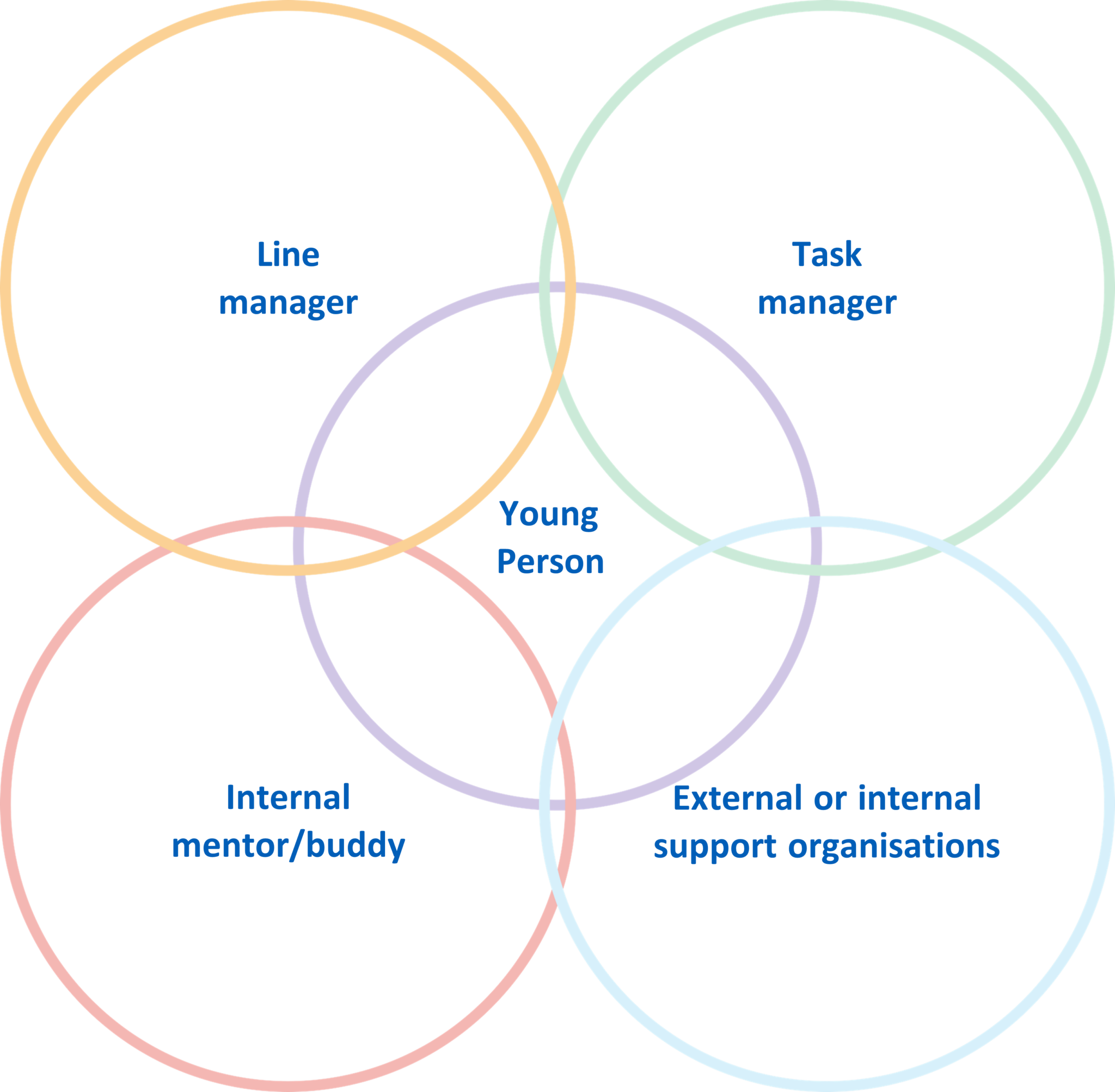
“Working for the NHS isn’t just about doctors and nurses,” James notes, his eyes reflecting the quiet pride of someone who has found his place. “It’s about a collective of different jobs and roles, a family of people who truly matter.”
The NHS Universal Family Programme embodies more than an job scheme. It stands as a powerful statement that institutions can adapt to include those who have known different challenges. In doing so, they not only alter individual futures but enrich themselves through the distinct viewpoints that care leavers provide.
As James moves through the hospital, his presence silently testifies that with the right support, care leavers can thrive in environments once thought inaccessible. The arm that the NHS has provided through this Programme represents not charity but appreciation of untapped potential and the essential fact that each individual warrants a family that champions their success.
